Experience
Hear, feel, and see the full song through the listening methods available to the child.
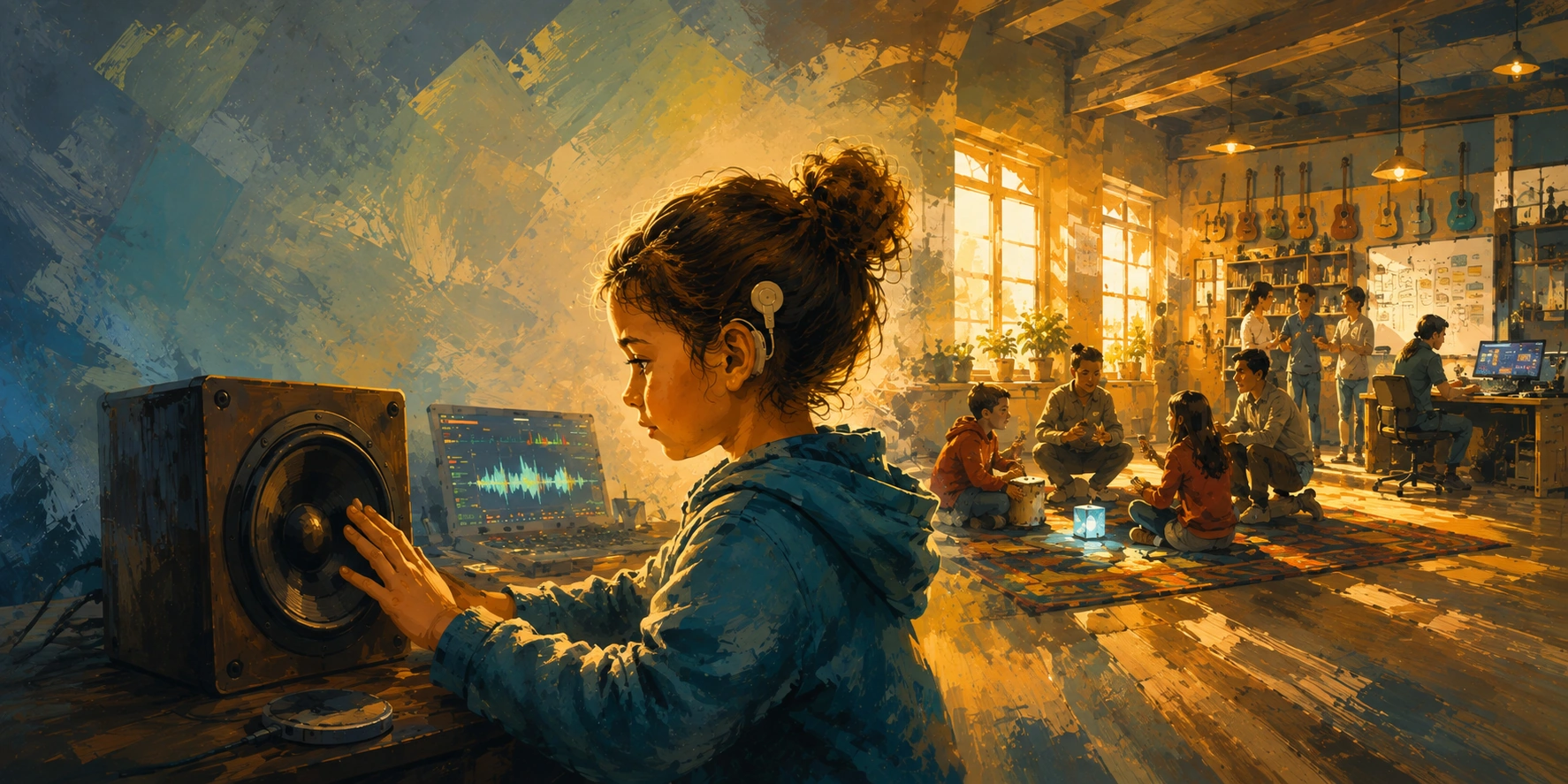
Children explore rhythm, vibration, visual cues, sound, and musical elements while building words for what they feel and hear.
Songs and stems are explored, separated, and adjusted to identify what helps each child distinguish and comprehend music.
The child’s listening profile guides the transcoding of eligible songs into a personalized musical experience.
Every session teaches us more.
De-identified observations show how Deaf and Hard of Hearing listeners perceive music.The findings guide hearing technology, streaming platforms, artists, and researchers.
Music is accessible.
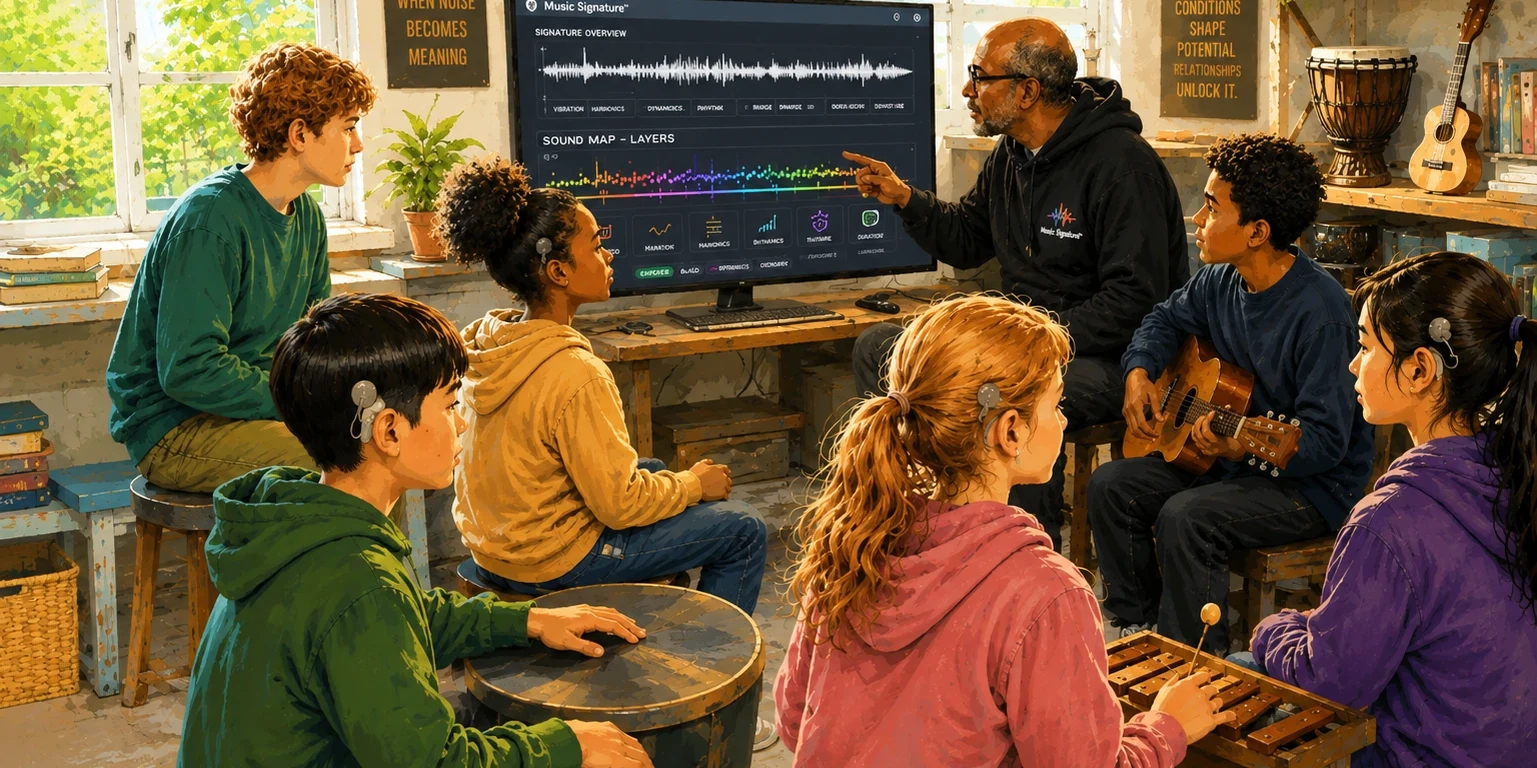
The disAPPility team begins each Pilot Session with a clear plan and several ways to explore music through vibration, sound, visuals, movement, simple instruments, and everyday objects.
The children guide what happens next. The team continues activities that spark curiosity, changes activities that do not connect, and stops activities that create discomfort.
Each session helps shape the next one. The team learns which tools work, how children communicate, and what helps them recognize and enjoy music.
Hands-on activities in a small, relaxed group. Children who do not use
hearing instruments are always welcome. No music experience required.
Children feel rhythm through vibration,touch, and contact with speakers.
Children connect those experiences to words for rhythm, vocals, instruments, and other musical elements.
The skills children develop reach far beyond music.
The next step
Pilot Sessions give children words for what they feel, hear, recognize, and prefer.Children use that vocabulary to explore songs and stems in the Format Studio.
Feeling first, then technical vocabulary, at a pace that fits the group.
A separate group for teens and adults. Most bring some memory of music, good or bad, that becomes part of what disAPPility learns.
Pilot Sessions are free, and space is limited. Ian, profoundly Deaf and fluent in conversational American Sign Language (ASL), leads every session personally.
A shared vocabulary begins here.
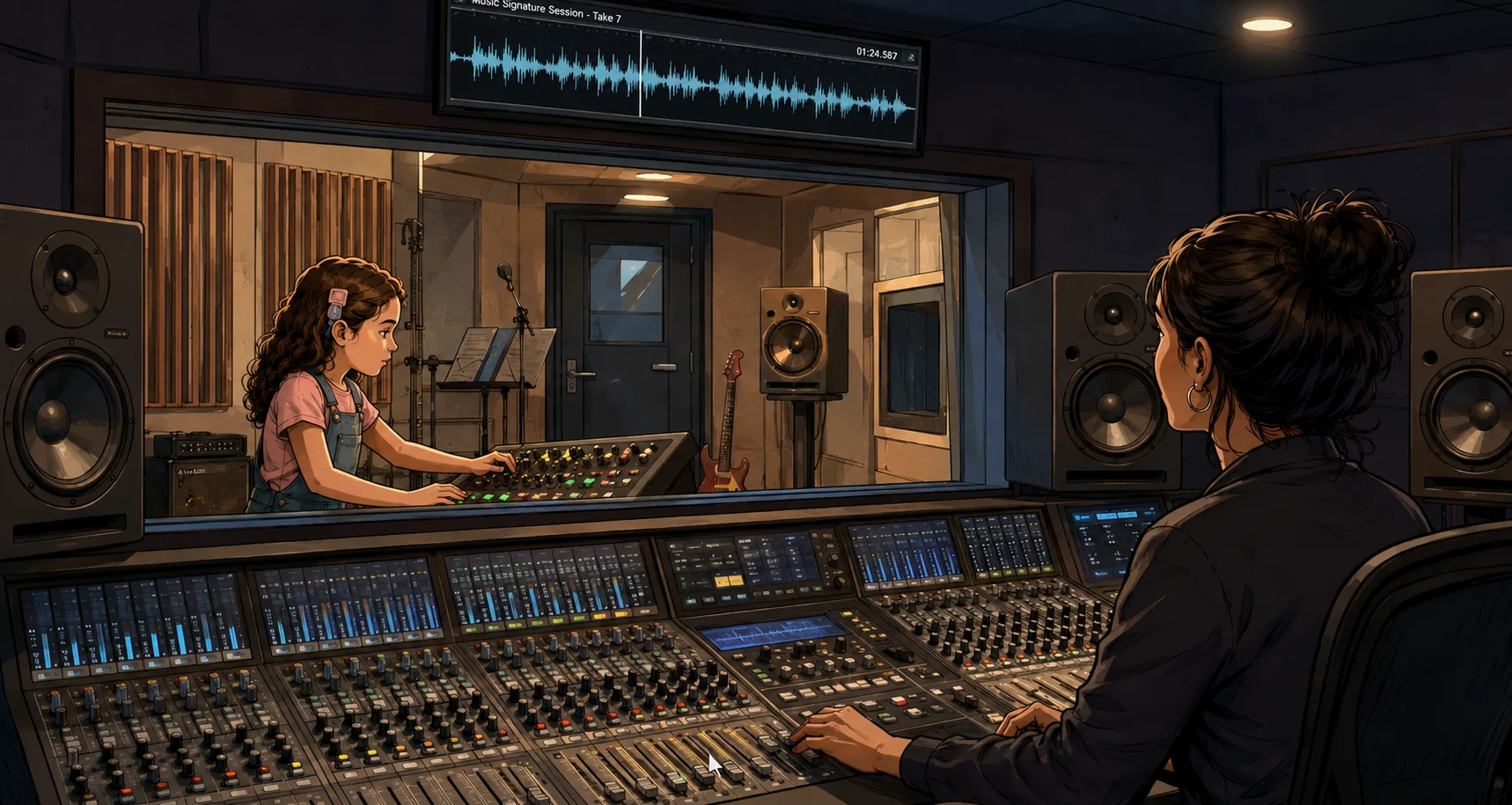
Before music can be adapted
The Format Studio changes songs, stems, listening methods, and sensory supports.The sound engineer identifies the musical information each listener misses.Music Signature transcodes those discoveries to restore recognition.
A consistent framework produces reliable data. Each child’s responses guide the session.
Hear, feel, and see the full song through the listening methods available to the child.
Explore vocals, drums, bass, melody, and other approved stems alone and in combinations.
Change stem balance, frequency emphasis, haptics, delivery method, and other controlled variables.
Document the conditions associated with recognition, comfort, enjoyment, attention, and comprehension.
Apply those conditions to unfamiliar songs, compare the result, and refine the child’s profile.
For the child
The session identifies the listening conditions that can guide the transcoding of eligible songs for that child.
For the field
De-identified observations expand the field’s understanding of what Deaf and Hard of Hearing listeners can distinguish, what listeners may miss, and which changes may help.
The Format Studio team runs controlled listening sessions, develops personal profiles, validates transcoded results, and builds the research dataset.
The Recording Studio generates revenue. Participating artists may contribute approved stems for reduced recording rates and future accessibility insights.
The Studio discovers the conditions.
Discovery becomes a listening profile.
From shared language to personalized conditions.
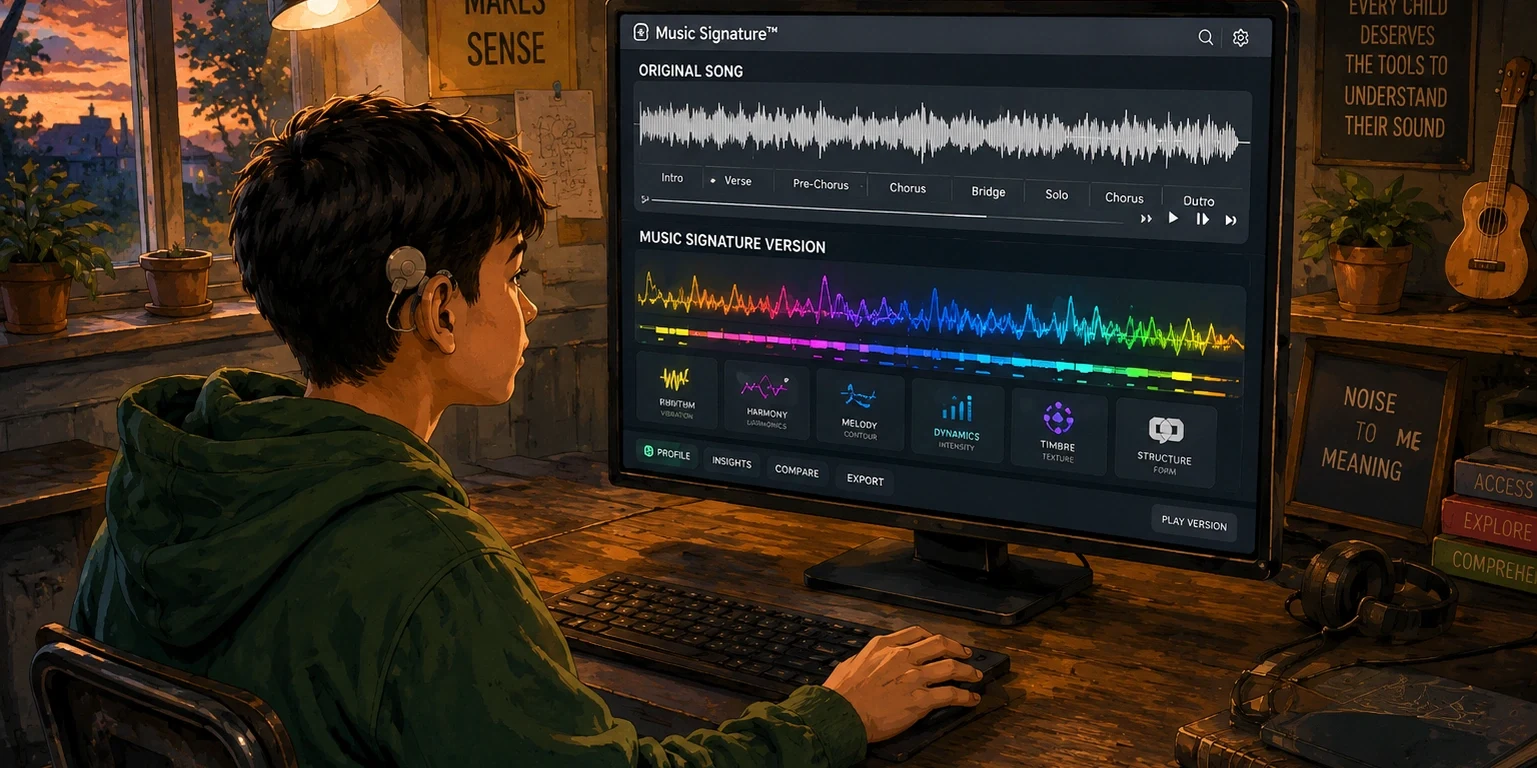
A profile before a song
The Format Studio identifies the conditions that help a child distinguish and comprehend music. Music Signature stores those conditions and applies them when the listener selects an eligible song.
The Music Signature engine transcodes a song after the Format Studio develops the listener’s profile and receives a rights-cleared song with usable stems.
The original recording and approved component tracks enter the engine.
The listener’s profile supplies the personalized parameters.
The engine adjusts, rebalances, processes, and reassembles the stems.
The engine delivers the adapted version through the selected listening method.
Every Listening Response Adds Evidence
The listener’s responses add information about recognition, comprehension, comfort, and preference. Music Signature uses that information to refine the profile across songs, genres, artists, devices, and changes in hearing.
The profile adapts the music.
Compare different versions of the same song
Turn on one or more versions. Switch between them at any time.
The Console adjusts four core musical elements.A future version will use real recording stems developed through artist partnerships and the Format Studio.
Available in the current Console
Potential future parameters
Engineering, clinical, accessibility, rights, and user-testing partners will establish the final controls.
Pilot Sessions begin the path toward the Format Studio.
Control your preferences.
A New Research Question
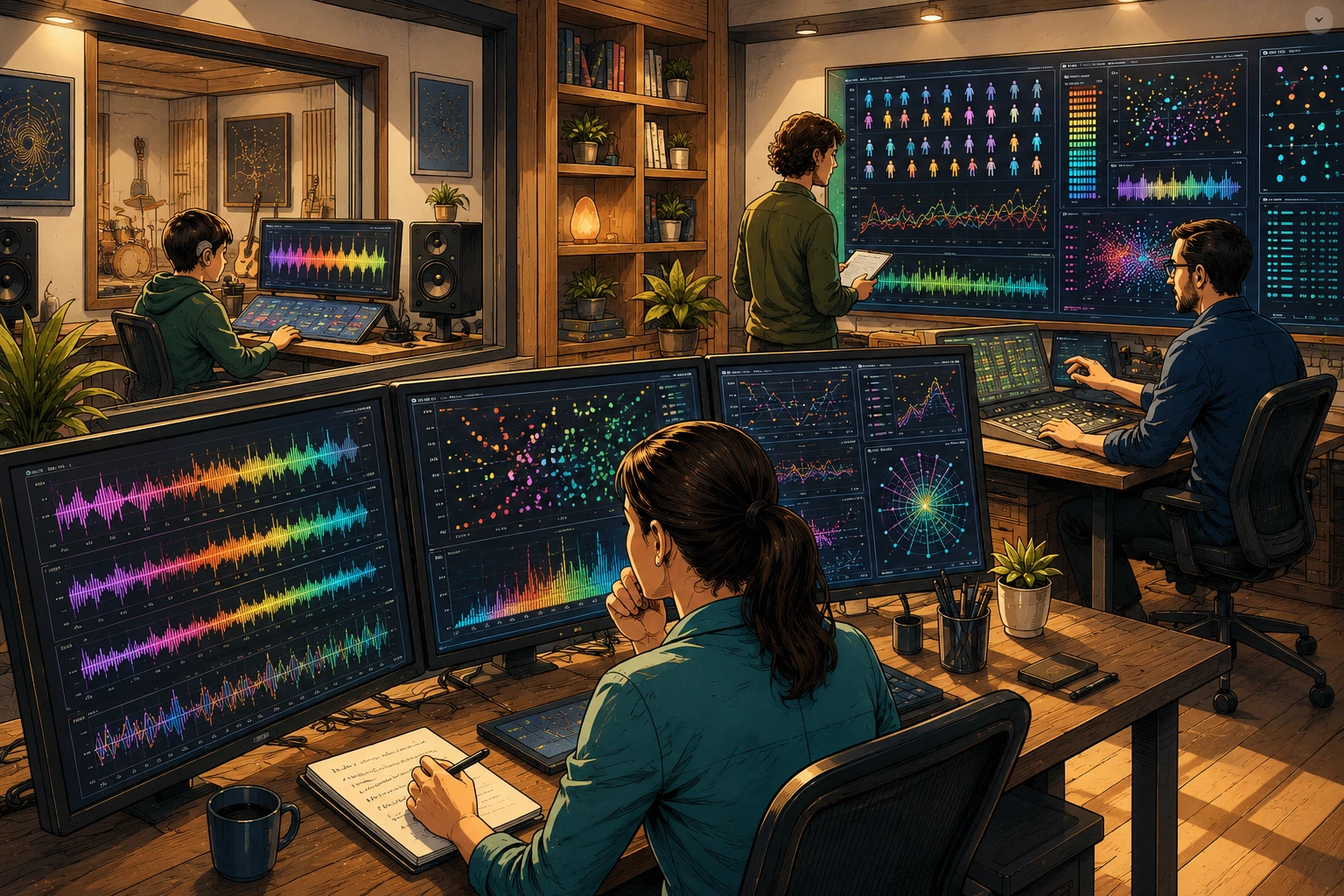
Hearing technology measures thresholds, speech, amplification, and noise.The Format Studio studies the musical information each listener misses.The Studio identifies the changes that restore recognition.
Hearing profile, age, musical memory, communication, and preference.
Vocals, bass, rhythm, melody, masking, genre, and production.
Hearing instruments, processors, Bluetooth, telecoil, speakers, and haptics.
Recognition, comprehension, comfort, attention, and preference.
Where the Stems Come From
Artists contribute approved stems through Studio sessions, direct agreements, label agreements, streaming partnerships, or licensed catalogs.
Research value supports negotiated access, licensing, and data-sharing. Every agreement must define rights and royalties.
Music Access
Rights holders enable controlled research and personalized adaptation.
Research Return
disAPPility shows how Deaf and Hard of Hearing listeners experience music.
Public Benefit
The findings guide accessible mixes, hearing applications, and streaming features.
Music Signature Is the First Application
Every child teaches us something new about music.
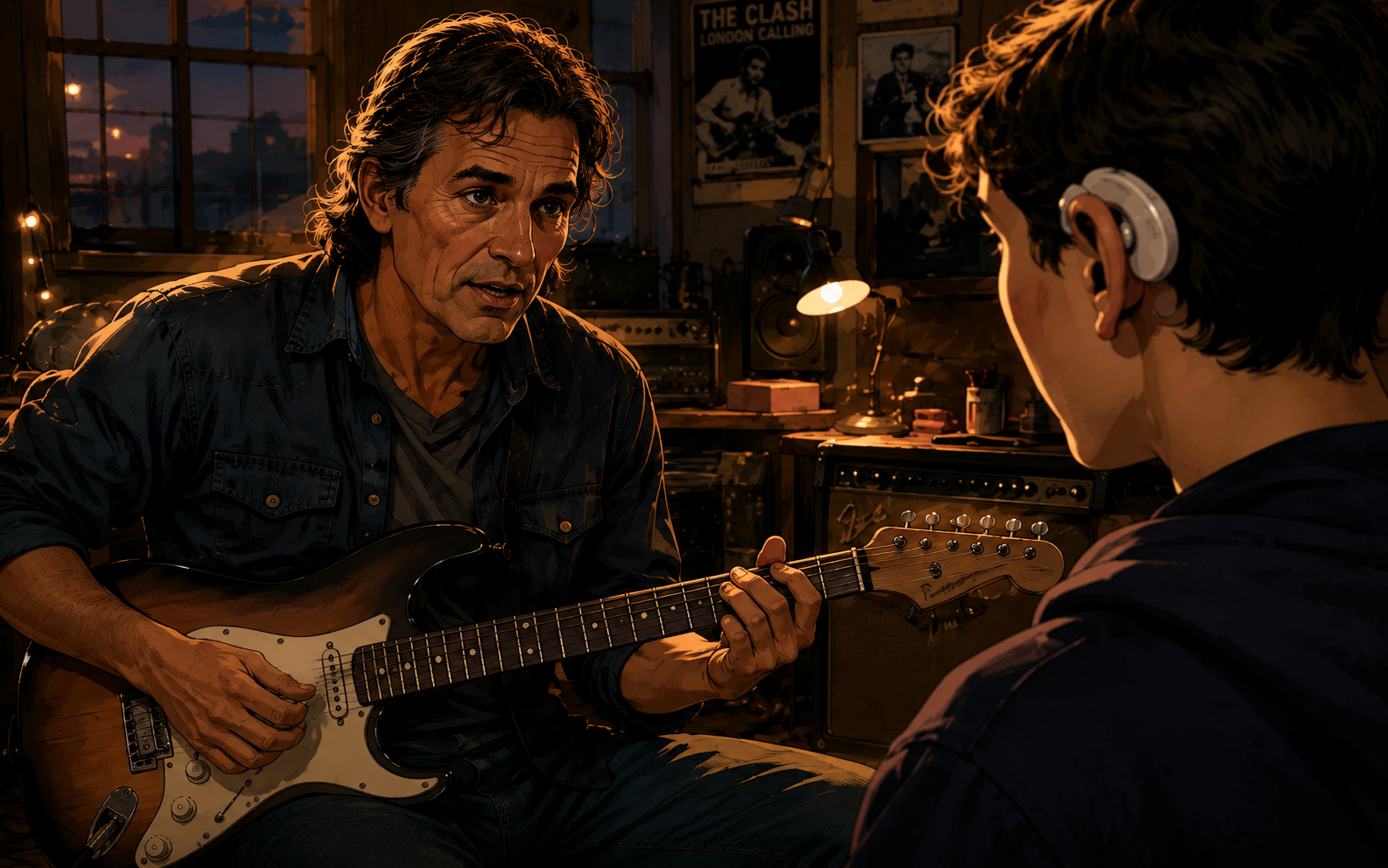
As a Deaf and Hard of Hearing child, I wanted to play. The instructor wanted to teach. I knew I needed accommodations, but I did not feel empowered to ask for them.
There was a baby in the house. I sensed that asking for more volume would wake the baby. I stayed quiet because I did not know how to assert myself.
Communication breakdowns are rarely one thing. They are several things at once.
When I was a student at NTID/RIT, I spent countless hours listening to the Born in the U.S.A. album by Bruce Springsteen. Some vocals were easier to follow than others, but songs like Born in the U.S.A. were especially difficult to decode.
Long blocks of lyrics, with almost no punctuation or visual structure, made the cassette liner notes hard to follow while listening.
I could hear the music. What I could not do was tell which voice was singing at that exact moment.
By the time I found the lyric I was looking for, The Boss had already moved on.
When I was home from college on break, I was watching Real Genius. As the closing credits rolled, the captions appeared, spelling out the opening lyrics of Everybody Wants to Rule the World by Tears for Fears.
For the first time in my life, I recognized a song playing on television.
My hearing had not changed.
The conditions had.
That realization sparked disAPPility.
Ian Portnoy
Founder, disAPPility
Building disAPPility one conversation, one observation, and one discovery at a time, guided by what children need.
Email:
music@disappility.com
Phone (Text only):
954-549-8553
Not sure where you fit?
Reach out anyway. The right conversation shapes the next step.
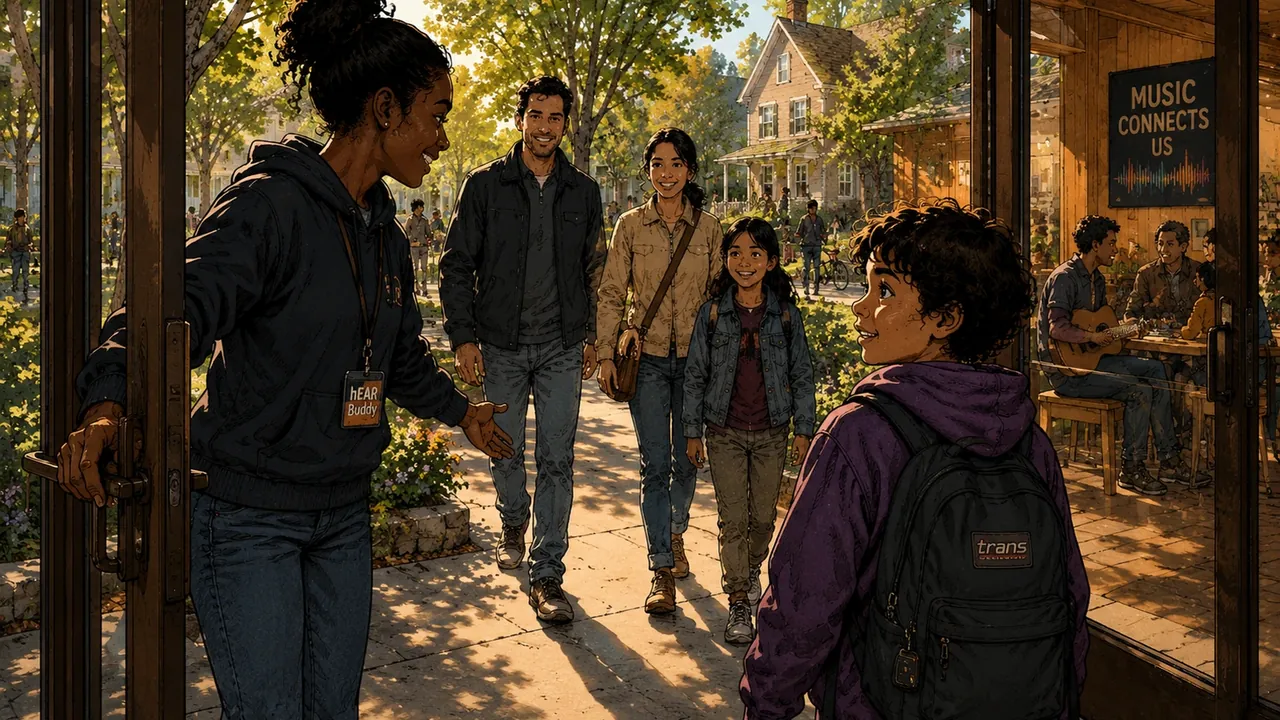
A child-first Pilot Session gives your child room to build skills for life, with you as familiar support.
Bring insight from education, audiology, accessibility, or community-based support.
Help build the Format Studio, contribute stems, advance hearing technology, develop research, or scale the conditions that make music comprehension possible.
Ian is in your corner.